Table of Contents
The Cortisol–Testosterone Seesaw
Testosterone and cortisol share a fundamental biological rivalry. When cortisol — your body's primary stress hormone — is chronically elevated, testosterone production is actively suppressed. This isn't a subtle relationship; research consistently demonstrates a measurable inverse correlation between cortisol levels and testosterone. The higher your chronic cortisol load, the lower your available testosterone tends to be.
The mechanism is direct and biochemically clear: both cortisol and testosterone are synthesized from the same precursor molecule, pregnenolone. Under conditions of chronic stress, your adrenal glands prioritize cortisol production — diverting pregnenolone away from the testosterone synthesis pathway in a phenomenon researchers call "pregnenolone steal." Your body, in evolutionary terms, treats immediate survival as more urgent than reproduction and vitality.
This made perfect sense when stress was acute — an immediate threat that passed quickly. The problem is that modern stress is chronic and unrelenting: work deadlines, financial pressure, relationship tension, digital overstimulation. The cortisol tap never fully closes, and testosterone pays the long-term price.
How Chronic Stress Affects Male Performance
The consequences of chronically elevated cortisol extend well beyond testosterone numbers on a lab result:
- Reduced libido: Testosterone is the primary driver of male sexual desire. When cortisol suppresses testosterone, libido diminishes — often one of the first signs men notice during periods of prolonged stress.
- Erectile difficulties: Erections require a shift from sympathetic (fight-or-flight) to parasympathetic (rest-and-digest) nervous system dominance. Chronic stress keeps the sympathetic system activated — directly antagonizing the physiological conditions required for healthy erectile function.
- Persistent fatigue: Cortisol disrupts sleep architecture, reduces deep sleep (when testosterone is primarily produced), and eventually depletes adrenal reserves — leading to persistent tiredness that doesn't resolve with even adequate sleep hours.
- Muscle loss and abdominal fat gain: Cortisol is catabolic — it breaks down muscle tissue for glucose and promotes fat storage, particularly around the visceral (abdominal) area. Visceral fat, in turn, contains aromatase enzyme that converts testosterone to estrogen — creating a self-reinforcing hormonal spiral.
- Mood and cognitive changes: Chronic cortisol exposure damages the hippocampus (memory center), impairs prefrontal cortex function (decision-making, impulse control), and is associated with anxiety, irritability, emotional blunting, and depression — all of which affect relationship quality and sexual function.
- Immune suppression: Chronic cortisol suppresses immune function, making stressed men more susceptible to illness and slower to recover from physical training.
The Psychological Performance Trap
Stress doesn't only suppress testosterone biochemically — it creates a destructive psychological feedback loop that compounds the physical effects. A man who experiences sexual difficulty during a stressful period responds with anxiety about future encounters. That performance anxiety becomes its own distinct stressor, elevating cortisol further, which makes the underlying hormonal and nervous system issues worse.
Men in this cycle often begin avoiding intimacy entirely — either to protect themselves from perceived failure or because libido has genuinely dropped enough that desire has diminished. The avoidance adds strain to the relationship, which creates more stress, which maintains the elevated cortisol that perpetuates the problem.
Breaking this cycle requires addressing both the physiological stress load and the psychological narrative around performance. Understanding that the issue is hormonal and neurological — not a fundamental inadequacy — is the first and often most important step.
Adrenal Fatigue and the Long-Term Cost of Chronic Stress
When stress is sustained for months or years, the adrenal glands — the organs responsible for cortisol production — can become dysregulated. The cortisol output pattern shifts: cortisol that should be high in the morning (for energy and focus) becomes blunted, while cortisol that should be low at night (for recovery and testosterone production) remains elevated.
This pattern — sometimes called HPA axis dysregulation — explains why chronically stressed men often feel exhausted in the morning despite sleeping, wired and unable to wind down at night, and experience testosterone levels that tests confirm are low despite technically "normal" sleep duration. The timing and rhythm of cortisol matters as much as its absolute level.
Evidence-Based Stress Reduction Strategies for Men
The most effective approaches address cortisol through multiple simultaneous pathways:
Resistance training as cortisol regulation: Counterintuitively, structured exercise is one of the best anti-stress interventions available. While acute exercise temporarily raises cortisol, regular training improves the body's cortisol response — producing a more appropriate and shorter-duration spike, followed by faster clearance. Over time, consistent training makes men physiologically more stress-resilient.
Diaphragmatic breathing: Slow, deep belly breathing activates the parasympathetic nervous system within seconds. The vagus nerve — the primary parasympathetic pathway — is directly stimulated by diaphragmatic breathing, triggering a measurable drop in heart rate and cortisol. Even 5 minutes of deliberate breathing after a stressful event produces physiologically meaningful changes. Box breathing (4 counts in, 4 hold, 4 out, 4 hold) is particularly effective and can be done anywhere.
Nature exposure: Spending time in natural environments — forests, parks, coastal areas, open green spaces — is associated with significant cortisol reduction across multiple studies. A concept known as "forest bathing" (shinrin-yoku in Japanese research) has demonstrated measurable reductions in cortisol, blood pressure, and sympathetic nervous system activity after even 20 minutes in a green environment.
Social connection: Positive social interaction — particularly with trusted friends or a supportive partner — triggers oxytocin release, which actively suppresses cortisol. Men who maintain close friendships and open communication with their partners consistently demonstrate better stress resilience and hormonal health in research settings. Male isolation, by contrast, is one of the strongest predictors of chronic stress and its downstream effects.
Sleep quality: Adequate sleep is the most powerful cortisol regulation tool available. The cortisol rhythm resets during sleep, and sleep deprivation is one of the most reliable ways to maintain chronically elevated cortisol. Prioritizing 7–9 hours — not just as recovery, but as an active stress management strategy — is non-negotiable for men dealing with chronic stress.
Deliberate mental decompression: Mindfulness meditation, journaling, and intentional digital boundaries (limiting news, social media, and work email after hours) all reduce the chronic low-grade cortisol load that most men carry without realizing it. Even 10 minutes of deliberate daily decompression — without screens — produces measurable cortisol benefits over weeks.
Adaptogens: Natural Botanical Support for Stress and Testosterone
Adaptogenic herbs — botanicals that help the body adapt to stress and maintain homeostasis — have a growing body of human clinical research supporting their value for stressed men.
Ashwagandha (Withania somnifera) is the most thoroughly studied adaptogen for men's hormonal health. Multiple randomized controlled trials have demonstrated that standardized Ashwagandha root extract significantly reduces serum cortisol while simultaneously increasing testosterone in men — particularly in those experiencing chronic stress. One landmark study in the Journal of the International Society of Sports Nutrition found 300mg of KSM-66 Ashwagandha twice daily produced a 27.9% reduction in serum cortisol and significant improvements in testosterone over 8 weeks.
Rhodiola Rosea is another well-researched adaptogen that supports mental resilience, reduces fatigue, and helps normalize cortisol patterns in chronically stressed individuals. It is particularly valuable for men experiencing burnout.
Maca Root — while not technically an adaptogen in the classic sense — has demonstrated benefits for libido and energy in stressed men, with research suggesting it may help maintain sexual wellness independent of testosterone levels, making it particularly relevant when cortisol-driven testosterone suppression is affecting libido.
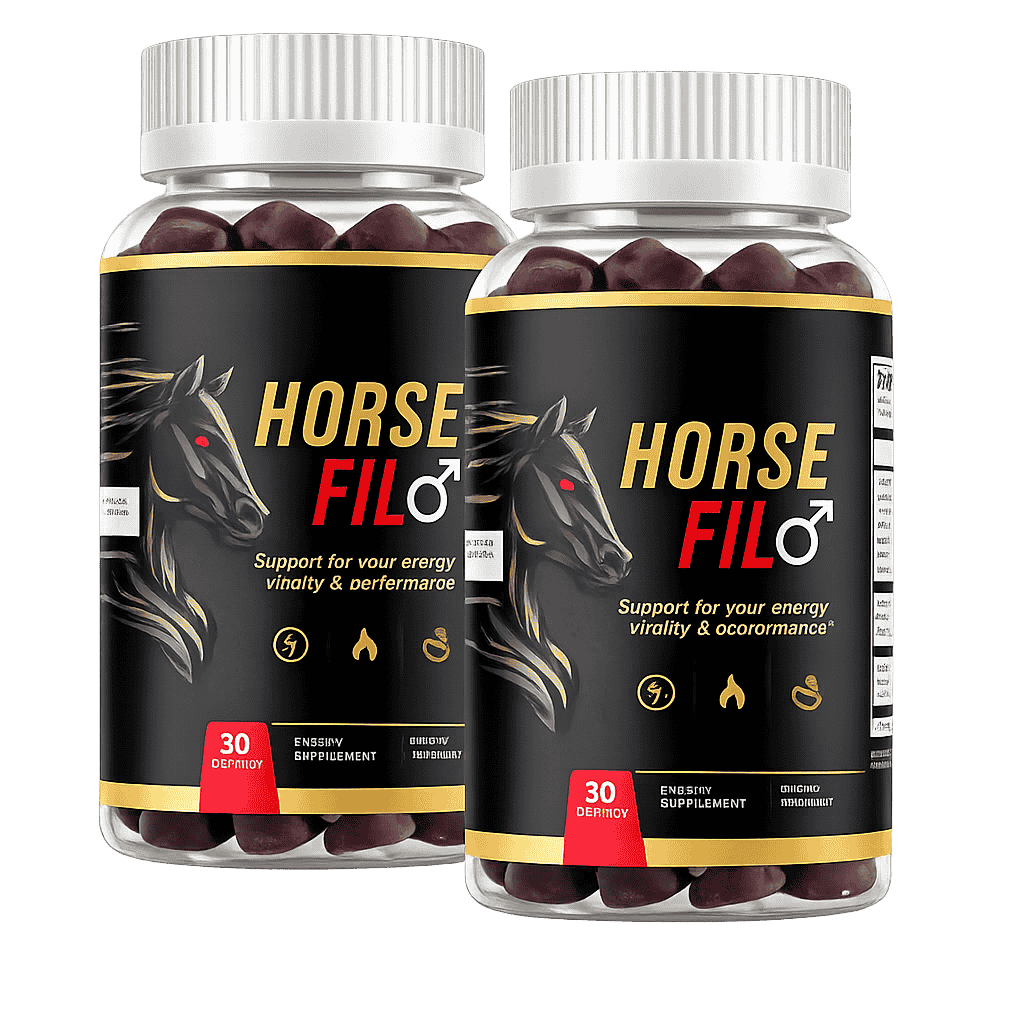
HorseFil® Contains Ashwagandha for Cortisol & Testosterone Support
Our formula includes clinical-grade Ashwagandha alongside Zinc, Tribulus, Maca Root, and L-Arginine — a targeted combination for men dealing with the hormonal costs of chronic modern stress. Support your body's balance from the inside out.
Get HorseFil Today