Table of Contents
What Is a Normal Testosterone Level?
Normal testosterone reference ranges differ somewhat by laboratory and testing methodology, but the generally accepted range for total testosterone in adult men is approximately 300–1,000 ng/dL (nanograms per deciliter). A reading consistently below 300 ng/dL is typically classified as clinically low testosterone (hypogonadism) by most medical professional societies.
However, "normal" and "optimal" are not the same thing. A man testing at 305 ng/dL is technically within the "normal" range, but may experience symptoms of low testosterone while a man at 700 ng/dL feels significantly better. Moreover, testosterone levels vary throughout the day (peaking in the morning and declining by 30–40% by evening), vary between labs, and are influenced by acute factors like illness, alcohol consumption, and recent intense exercise.
Context matters enormously. A single testosterone reading tells an incomplete story. Symptoms, trend lines over multiple tests, and the full hormonal panel together paint a much more useful picture than any single number.
Total vs. Free Testosterone — Why the Distinction Matters
Total testosterone measures all circulating testosterone — both bound and unbound. The majority of testosterone (approximately 98%) in the bloodstream is bound to proteins: primarily sex hormone-binding globulin (SHBG, binding ~60%) and albumin (binding ~38%). Only the remaining 2% is "free" — unbound and immediately available for biological action.
Free testosterone is the fraction that actually interacts with androgen receptors in cells to drive the effects men associate with testosterone: muscle building, libido, energy, mood, and cognitive function. Two men with identical total testosterone of 500 ng/dL but significantly different SHBG levels will have very different amounts of free, biologically active testosterone.
Elevated SHBG — which becomes more common with age, liver conditions, hyperthyroidism, and some medications — can make a man feel low-T despite a "normal" total testosterone reading. This is why comprehensive testing that includes both total and free testosterone, along with SHBG, is essential for an accurate hormonal assessment.
Common Symptoms of Low Testosterone
Low testosterone rarely manifests as a single isolated symptom. It tends to affect multiple body systems simultaneously, which can make it easy to attribute to other causes. Common presentations include:
- Persistent fatigue — energy that doesn't recover with rest; waking unrefreshed
- Reduced libido — diminished sexual desire, not just performance issues
- Erectile dysfunction — particularly reduced morning erections, which are a reliable indicator of baseline testosterone and vascular health
- Difficulty building or maintaining muscle — despite consistent training, muscle gains stall or reverse
- Increased body fat — particularly visceral fat accumulation around the abdomen
- Mood changes — irritability, emotional flatness, depression, anxiety, or reduced motivation
- Cognitive changes — brain fog, difficulty concentrating, memory issues
- Reduced bone density — more relevant in older men; testosterone is critical for skeletal health
- Reduced body and facial hair growth
- Smaller or softer testes
- Reduced ejaculate volume
- Hot flashes or sweating — less recognized but documented in men with significantly low testosterone
It's important to note that many of these symptoms overlap with other conditions — thyroid dysfunction, sleep apnea, depression, anemia, and metabolic syndrome among them. Symptoms alone are not sufficient for diagnosis; blood testing is essential.
Why Testosterone Declines — Beyond Just Aging
After peak levels in late adolescence and early adulthood, testosterone begins declining gradually — roughly 1% per year starting in the early 30s, accelerating somewhat after 40. This natural trajectory is real, but it doesn't explain the full picture for most men experiencing low testosterone symptoms.
Several modifiable factors dramatically accelerate testosterone decline beyond natural aging:
- Obesity and excess body fat: Adipose tissue — particularly visceral fat — contains the aromatase enzyme, which converts testosterone into estrogen. Higher body fat means more aromatase activity and faster testosterone conversion. Obese men can have estrogen levels comparable to pre-menopausal women.
- Chronic stress and elevated cortisol: The pregnenolone steal phenomenon means chronically stressed men divert hormonal precursors away from testosterone toward cortisol production. Years of unmanaged stress can significantly accelerate testosterone decline.
- Sleep deprivation: Most testosterone synthesis occurs during deep sleep. Chronic sleep restriction measurably reduces production within days.
- Nutritional deficiencies: Zinc, magnesium, and vitamin D are cofactors in testosterone synthesis. Deficiency in any of these directly impairs production — and all three are commonly deficient in men eating typical Western diets.
- Sedentary lifestyle: Physical inactivity is consistently associated with lower testosterone. Muscle tissue is hormonally active — more muscle mass supports better testosterone production and sensitivity.
- Environmental endocrine disruptors: Xenoestrogens — compounds found in certain plastics (particularly those containing BPA), pesticide residues, industrial chemicals, and some personal care products — can interfere with hormonal signaling. Minimizing exposure to known endocrine disruptors is a practical preventive measure.
- Excessive alcohol consumption: Alcohol is directly toxic to testicular Leydig cells (the primary testosterone-producing cells), promotes aromatase activity, and disrupts the HPG axis (the hormonal control system for testosterone production).
How to Get Your Testosterone Tested Properly
If you're experiencing symptoms suggesting low testosterone, blood testing is the necessary first step. Here's how to ensure you get the most informative results:
Timing: Blood should ideally be drawn between 8–10am, when testosterone naturally peaks. Testing in the afternoon can produce readings 30–40% lower than morning levels and lead to misinterpretation.
Conditions: Avoid testing immediately after intense exercise, illness, significant alcohol consumption, or periods of acute stress. These factors can temporarily suppress readings and skew results.
Recommended panel: A comprehensive assessment should include:
- Total testosterone
- Free testosterone (calculated or measured)
- SHBG (sex hormone-binding globulin)
- LH (luteinizing hormone) — indicates whether the problem is in the brain or testes
- FSH (follicle-stimulating hormone)
- Estradiol (E2) — estrogen balance in men matters
- Prolactin — elevated prolactin suppresses testosterone
- Vitamin D (25-OH) — acts like a hormone and correlates with testosterone
- Complete thyroid panel (TSH, free T3, free T4)
- Complete blood count and comprehensive metabolic panel
If your primary care physician is reluctant to order a comprehensive panel, a specialist in men's hormonal health (urologist specializing in men's health, or endocrinologist) may be a better resource.
Natural Strategies to Support Healthy Testosterone
For men with borderline or mildly low testosterone without a clear medical etiology, lifestyle optimization is the evidence-supported first-line approach — and it can produce meaningful results:
- Resistance training 3–5x weekly — compound movements are most effective for hormonal stimulation
- 7–9 hours of quality sleep nightly — non-negotiable for testosterone production
- Active stress management — breathwork, nature exposure, social connection, and adaptogenic botanical support
- Weight management — reducing excess body fat reduces aromatase activity and estrogen production
- Zinc and magnesium adequacy — through diet and supplementation as needed
- Vitamin D optimization — target 40–60 ng/mL serum 25-OH vitamin D
- Adequate dietary fat intake — healthy fats are the molecular building blocks of testosterone
- Minimize alcohol consumption
- Targeted botanical supplementation — Ashwagandha, Tribulus Terrestris, Fenugreek, and Maca Root all have meaningful clinical research supporting their roles in men's hormonal wellness
When to Seek Medical Evaluation
Lifestyle optimization is the appropriate starting point for most men, but certain situations warrant prompt medical evaluation:
- Total testosterone consistently below 300 ng/dL on repeat testing
- Significantly symptomatic men who don't respond to 3–6 months of lifestyle changes
- Men with suspected underlying medical causes (pituitary issues, testicular injury, medications)
- Men experiencing infertility — testosterone replacement therapy can impair sperm production, so the treatment approach depends on fertility goals
Testosterone replacement therapy (TRT) may be appropriate for men with confirmed hypogonadism under medical supervision. However, it carries important considerations: it typically suppresses the body's own production, requires ongoing commitment, can affect fertility, and carries cardiovascular considerations that should be thoroughly discussed with a qualified physician who specializes in men's hormonal health.
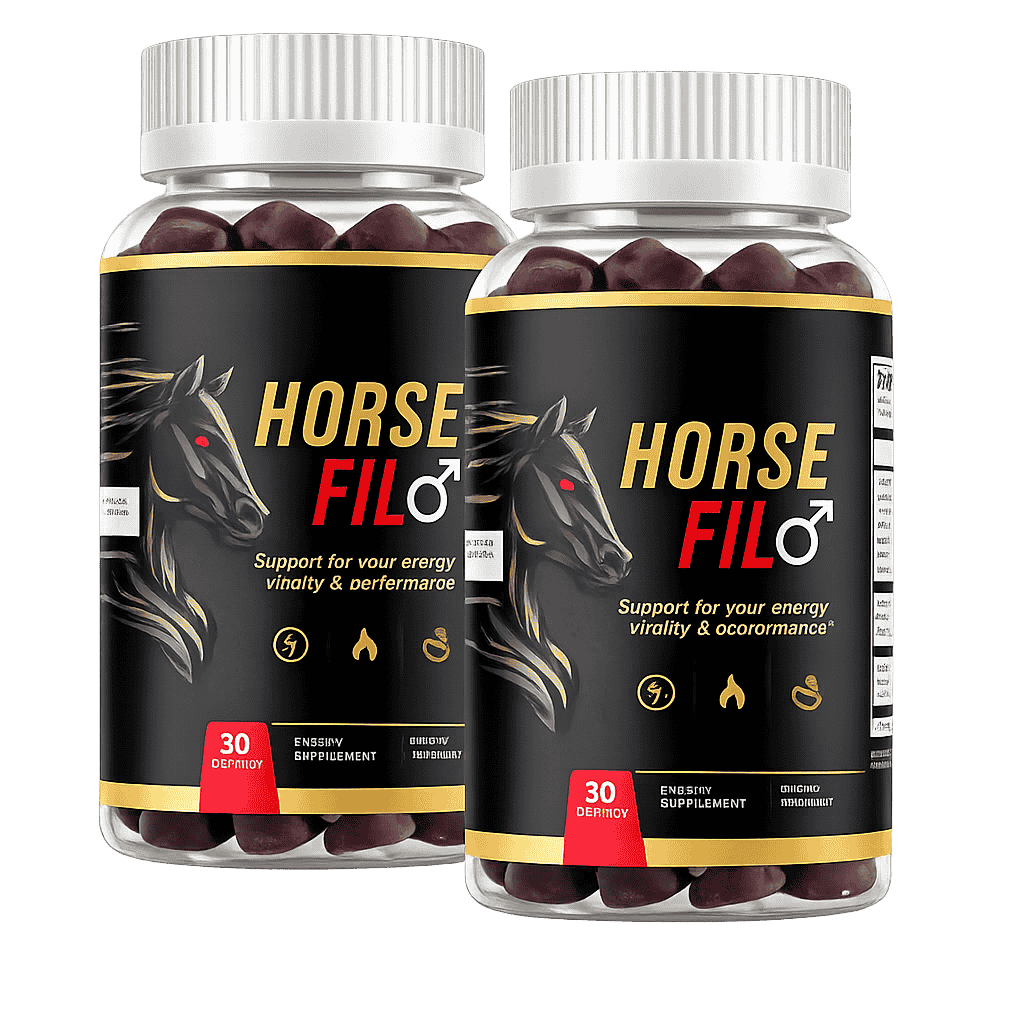
Natural Testosterone Support with HorseFil®
HorseFil delivers Ashwagandha, Fenugreek, Tribulus Terrestris, Maca Root, Zinc, and L-Arginine — key ingredients studied for their roles in supporting healthy male hormone balance. Complement your lifestyle strategy with daily targeted support.
Get HorseFil Today