Table of Contents
Why What You Eat Directly Affects Your Testosterone
Testosterone is not conjured from thin air. Your endocrine system synthesizes it from cholesterol and specific nutrients — most notably zinc, magnesium, vitamin D, and healthy fats. When your diet is deficient in these building blocks, testosterone production can suffer measurably, regardless of how well you sleep or exercise.
Conversely, certain dietary compounds actively support the hormonal environment in which testosterone thrives — reducing excess estrogen through phytochemicals, supporting the liver's hormone metabolism, and providing antioxidants that protect testicular Leydig cells from oxidative damage. The research here is genuinely compelling.
This doesn't require following a rigid or complicated eating plan. It means strategically including more of the right foods — and reducing the ones that work against you. Let's walk through both.
Oysters and Shellfish — Nature's Zinc Powerhouse
Oysters contain more zinc per serving than virtually any other food on the planet — up to 74mg per 100g serving, compared to the 11mg daily value for adult men. Zinc is an essential mineral for testosterone synthesis, and even mild zinc deficiency has been shown in controlled studies to meaningfully reduce testosterone levels within weeks.
The mechanism is direct: zinc is required for the activity of enzymes involved in testosterone biosynthesis, as well as for healthy LH (luteinizing hormone) signaling from the pituitary gland to the testes. It also inhibits the aromatase enzyme — the enzyme responsible for converting testosterone into estrogen.
Beyond oysters, other shellfish like crab and lobster also provide substantial zinc. If shellfish isn't accessible or palatable, beef, dark-meat poultry, pumpkin seeds, and lentils are solid alternatives. For many men, a quality zinc supplement can bridge dietary gaps effectively.
Eggs — A Testosterone-Friendly Whole Food
The whole egg — yolk included — is one of the most complete hormone-supporting foods available. Egg yolks contain dietary cholesterol (the molecular precursor to all steroid hormones, including testosterone), vitamin D, B vitamins, and a healthy profile of monounsaturated and saturated fats.
For decades, eggs were unfairly maligned due to concerns about dietary cholesterol. The science has since clarified that for most healthy adults, dietary cholesterol has minimal impact on cardiovascular risk, and the nutrients within egg yolks — particularly choline, vitamin D, and healthy fats — actively support hormonal health.
Two to three whole eggs daily is a well-supported intake for most healthy men. If you've been eating egg whites only in an effort to be "healthy," reconsider — you're discarding the most hormonally relevant part of the food.
Leafy Greens and Cruciferous Vegetables
Spinach, kale, Swiss chard, and other leafy greens are among the best dietary sources of magnesium — a mineral that plays a direct role in testosterone production. Research published in the journal Biological Trace Element Research found that magnesium supplementation significantly increased total and free testosterone in both athletes and sedentary men over four weeks.
Magnesium also helps reduce sex hormone-binding globulin (SHBG) — the protein that binds testosterone in the bloodstream, rendering it biologically inactive. Lower SHBG means more free, usable testosterone.
Cruciferous vegetables — broccoli, cauliflower, Brussels sprouts, and cabbage — deserve their own mention. They contain indole-3-carbinol (I3C) and its metabolite diindolylmethane (DIM), compounds that support the liver's phase-2 detoxification pathways responsible for metabolizing and excreting excess estrogen. For men, this means cruciferous vegetables actively help maintain a more testosterone-favorable hormonal balance.
Pomegranate — The Ancient Vitality Fruit
Pomegranate has been revered for its health properties across cultures for thousands of years, and modern research is beginning to provide mechanistic explanations for its reputation. A notable study published in the journal Endocrine Abstracts found that two weeks of pomegranate juice consumption was associated with significant increases in salivary testosterone — alongside improvements in mood, blood pressure, and cardiovascular markers — in both men and women.
Rich in polyphenols, ellagic acid, and antioxidants, pomegranate appears to support nitric oxide production (improving blood flow to muscles and sexual tissue) and reduce cortisol levels — both of which benefit testosterone indirectly. Including pomegranate juice or arils in your daily diet is one of the more pleasant evidence-backed interventions available.
Fatty Fish — Omega-3s and Vitamin D Combined
Salmon, mackerel, sardines, herring, and trout are exceptional sources of two nutrients with well-established links to testosterone: omega-3 fatty acids and vitamin D.
Omega-3s reduce systemic inflammation — a known suppressor of testosterone synthesis — and support healthy cell membrane function throughout the body, including the Leydig cells in the testes that produce testosterone. Men with higher omega-3 intake tend to have better testicular function and semen parameters in research settings.
Vitamin D functions almost like a steroid hormone itself, binding to receptors in Leydig cells and supporting testosterone production. Research consistently shows a positive correlation between serum vitamin D levels and testosterone in men — and deficiency is extraordinarily common, particularly among men who work predominantly indoors or live at higher latitudes.
Aim for fatty fish two to three times per week. Sardines are particularly underrated: less expensive than salmon, highly sustainable, and additionally rich in calcium from their edible bones. Canned sardines in olive oil are a practical, budget-friendly testosterone-support staple.
Nuts and Seeds — Healthy Fats and Minerals
Brazil nuts are uniquely valuable for men's hormonal health — they are the richest dietary source of selenium, a trace mineral involved in testosterone synthesis and sperm health. Selenium deficiency has been associated with impaired testicular function and reduced testosterone. Just two to three Brazil nuts per day can meet your daily selenium requirement.
Pumpkin seeds (pepitas) provide an excellent combination of zinc, magnesium, and healthy fats — covering multiple testosterone-supporting nutrient bases simultaneously. A quarter-cup serving provides approximately 40% of the daily zinc requirement and 42% of magnesium needs.
Almonds, walnuts, and macadamia nuts supply additional magnesium and monounsaturated fats. Walnuts also contain polyphenols that support cardiovascular health and reduce oxidative stress — both beneficial for the hormonal environment.
Ginger — An Underrated Testosterone Ally
Ginger has a long history as a medicinal root, and emerging research suggests it may have a meaningful role in supporting testosterone. Multiple animal studies have demonstrated that ginger supplementation increases testosterone and luteinizing hormone (LH). While robust human trials are more limited, the proposed mechanisms — anti-inflammatory effects, antioxidant protection of Leydig cells, and enhanced LH signaling — are biologically plausible and worth attention.
One human study published in the journal Tikrit Medical Journal found that infertile men who supplemented with ginger for three months showed significantly elevated testosterone and LH levels. Fresh ginger in cooking, ginger tea, or encapsulated ginger supplements are all practical ways to incorporate it into your routine.
Foods That Can Suppress Testosterone in Men
Equally important to eating the right foods is limiting those that actively work against testosterone production:
- Excessive alcohol: Alcohol is directly toxic to testicular Leydig cells and promotes the conversion of testosterone to estrogen via the aromatase enzyme. Chronic heavy drinking is strongly associated with hypogonadism. Even moderate daily drinking meaningfully affects hormonal balance over time.
- Highly processed foods and trans fats: Ultra-processed foods promote systemic inflammation, insulin resistance, and obesity — all of which suppress testosterone. Trans fats (partially hydrogenated oils) specifically impair hormone synthesis.
- Excessive added sugar: High sugar intake drives insulin resistance and promotes fat accumulation — both associated with lower testosterone and higher estrogen through increased aromatase activity.
- Soy in large amounts: Soy contains isoflavones (phytoestrogens) that weakly mimic estrogen in the body. Moderate consumption is unlikely to be problematic for most men, but large amounts of concentrated soy protein regularly consumed may be a concern for testosterone levels.
- Flaxseed in excess: Flaxseed contains lignans that can modulate estrogen metabolism. Occasional use is fine, but habitual high doses may not be ideal for men focused on testosterone optimization.
- Licorice root: Contains glycyrrhizin, which research shows can meaningfully reduce testosterone levels in men even at relatively modest doses. Avoid high-dose licorice supplements and regular consumption of licorice-flavored products.
Building a Testosterone-Friendly Weekly Eating Pattern
Rather than overhauling everything at once, crowd out the foods working against you with more of the foods working for you. A practical weekly target for most men:
- 2–3 servings of fatty fish (salmon, sardines, mackerel)
- Daily eggs (2–3 whole eggs at breakfast)
- Daily leafy greens and 4–5 weekly servings of cruciferous vegetables
- Pumpkin seeds as a regular snack or salad topper
- 2–3 Brazil nuts daily for selenium
- Pomegranate juice or arils 3–5 times per week
- Oysters or zinc-rich protein (beef, dark-meat chicken) 3+ times weekly
- Ginger incorporated daily into cooking or tea
Consistency over weeks and months is what produces measurable hormonal benefits. No single meal will dramatically shift your testosterone, but consistently eating this way — combined with quality sleep, resistance training, and stress management — creates a compounding effect that most men notice clearly within 60–90 days.
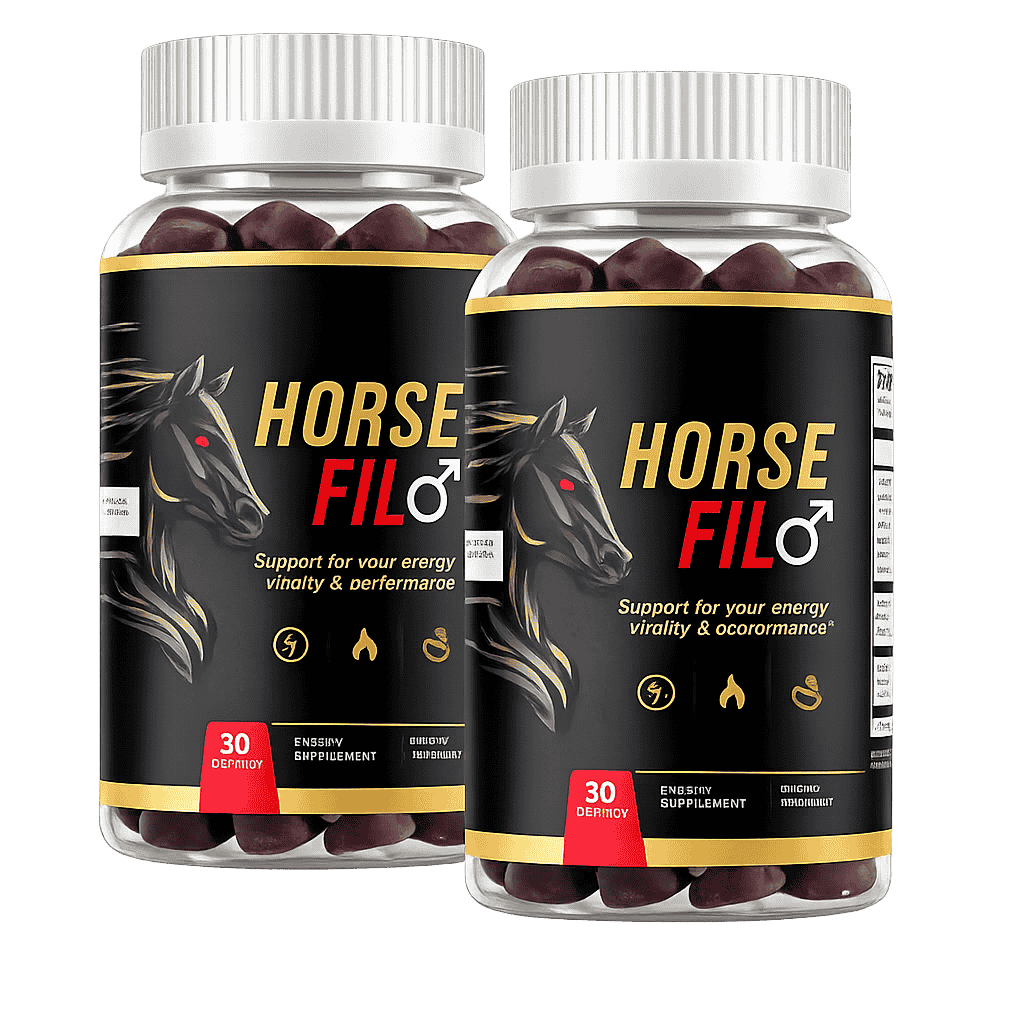
Give Your Diet Backup with HorseFil®
Even a well-optimized diet can have gaps. HorseFil delivers zinc, Ashwagandha, Tribulus Terrestris, Fenugreek, Maca Root, and more — the targeted botanical and mineral support your testosterone-friendly diet deserves.
Get HorseFil Today