Table of Contents
- Why Men's Nutritional Needs Are Distinct
- Beef — Zinc, Protein, and B12
- Salmon and Sardines — Omega-3s and Vitamin D
- Eggs — Complete Nutrition in One Package
- Broccoli and Cruciferous Vegetables
- Beets — Nitric Oxide and Performance
- Pumpkin Seeds — The Men's Mineral Triple
- Greek Yogurt — Protein, Probiotics, and More
- Dark Chocolate — A Genuine Men's Health Food
- Avocado — Healthy Fats and Potassium
- Building Your Weekly Men's Health Plate
- Frequently Asked Questions
Why Men's Nutritional Needs Are Distinct
Men and women share most nutritional fundamentals, but men have specific requirements that differ meaningfully — particularly around hormonal support (testosterone synthesis requires zinc, healthy fats, and vitamin D), muscle maintenance (requiring adequate complete protein), cardiovascular health (men develop heart disease approximately a decade earlier than women on average), and prostate wellness (requiring selenium, zinc, and certain phytochemicals).
Understanding which foods address these specific needs allows men to eat strategically rather than generically. The foods below aren't exotic superfoods requiring specialty grocery trips. Most are widely available, affordable, and easy to prepare consistently. The key — as always — is making these staples rather than occasional additions.
Beef (Grass-Fed) — The Men's Nutritional Trifecta
Grass-fed beef provides a remarkable combination of nutrients particularly relevant to men's health. Zinc — present in high concentrations in beef — is essential for testosterone synthesis, immune function, and wound healing. A 3-oz serving of beef provides approximately 4–7mg of zinc, covering 35–64% of men's daily needs.
Beyond zinc, beef delivers complete protein with all essential amino acids for muscle maintenance and synthesis, vitamin B12 (critical for neurological health, energy metabolism, and red blood cell production), heme iron (the most bioavailable dietary iron form), and creatine (a compound that supports muscular energy and is naturally present in beef muscle).
Grass-fed beef also has a more favorable omega-6 to omega-3 fatty acid ratio compared to grain-fed, and higher concentrations of conjugated linoleic acid (CLA) — a fatty acid associated with favorable body composition effects. Moderate consumption of 3–4 servings weekly fits well within health guidelines and provides substantial nutritional value.
Salmon and Sardines — Omega-3s, Vitamin D, and Selenium
Fatty fish deserve their reputation as one of the most consistently health-supportive food categories for men. Wild-caught salmon provides 1,500–2,000mg of EPA and DHA omega-3 fatty acids per serving — the most bioavailable forms of these essential anti-inflammatory fats.
Omega-3s reduce systemic inflammation — a documented suppressor of testosterone synthesis — support healthy cell membrane function throughout the body (including testicular Leydig cells), reduce cardiovascular risk factors, and support brain health and mood. Men with higher omega-3 intake consistently show better testosterone levels and semen parameters in research.
Sardines deserve special recognition as an underrated men's health food. They are:
- Substantially less expensive than salmon
- Highly sustainable (sardines reproduce quickly and are not overfished)
- Rich in calcium from their edible bones — supporting bone density, which declines in men with low testosterone
- Excellent sources of selenium (for prostate health and testosterone synthesis)
- High in vitamin B12, iron, and CoQ10
Canned sardines in olive oil are a practical, shelf-stable staple that require no preparation. The combination of sardines, olive oil, and lemon juice on whole-grain crackers is a testosterone-supporting snack that takes 60 seconds to prepare.
Eggs — Perhaps the Most Complete Men's Health Food
The whole egg — yolk included — is one of the most nutrient-dense foods on the planet, and particularly valuable for men's health. Egg yolks contain:
- Vitamin D — supports testosterone synthesis and immune function
- Zinc — essential for testosterone production and immune health
- Choline — critical for brain health, liver function, and a cofactor in dozens of metabolic pathways. Most men are deficient.
- Complete protein — all essential amino acids in highly bioavailable form
- Lutein and zeaxanthin — antioxidants supporting eye health
- B vitamins — including B2, B5, B12, and biotin
- Dietary cholesterol — the molecular building block of all steroid hormones, including testosterone
The science on dietary cholesterol has been substantially revised since the low-fat diet era. For the vast majority of healthy adults, dietary cholesterol from eggs has minimal impact on cardiovascular risk and is genuinely not the concern it was once thought to be. Two to three whole eggs daily is a well-supported intake for most healthy men.
Broccoli and Cruciferous Vegetables — Estrogen Balance
Broccoli, cauliflower, Brussels sprouts, kale, cabbage, and arugula contain indole-3-carbinol (I3C), which the body converts to diindolylmethane (DIM). These compounds support the liver's phase-2 detoxification — specifically the pathway responsible for metabolizing and excreting excess estrogen metabolites.
For men, this means regular cruciferous vegetable consumption actively helps maintain a hormonal environment more favorable to testosterone by reducing estrogen accumulation. Cruciferous vegetables also contain sulforaphane — a potent anti-inflammatory and antioxidant compound with emerging research on prostate health and cellular protection from carcinogens.
Aim for 4–5 servings of cruciferous vegetables weekly. Lightly steamed broccoli retains more sulforaphane than boiled; raw consumption is also effective. Arugula in salads is a practical way to incorporate cruciferous vegetables without any cooking.
Beets — Nitric Oxide and Cardiovascular Performance
Beets and beet juice are among the richest dietary sources of nitrates — compounds your body converts to nitric oxide (NO) through the nitrate-nitrite-nitric oxide pathway. As discussed in our article on stamina, NO dilates blood vessels, reducing blood pressure and improving circulation to muscles during exercise and to penile tissue for healthy erectile function.
Athletes regularly use beet root supplementation for its documented cardiovascular performance benefits — studies consistently show improvements in endurance time to exhaustion and reduced oxygen cost of exercise. For men focused on performance in every sense, beets deliver on multiple fronts simultaneously.
Fresh beets, pickled beets, or beet juice are all effective. Beet root powder in smoothies is a convenient way to incorporate them daily. Consume 2–3 hours before exercise for maximal performance benefits.
Pumpkin Seeds — The Men's Mineral Triple Threat
Pumpkin seeds (pepitas) may be the single most overlooked men's health food. A quarter-cup serving provides approximately:
- 40% of the daily zinc requirement — critical for testosterone synthesis
- 42% of the daily magnesium requirement — involved in over 300 enzymatic reactions
- Healthy monounsaturated and polyunsaturated fats — supporting hormonal health
- Plant-based protein (about 8g per serving)
- Plant sterols — associated with prostate health support
- Tryptophan — a precursor to serotonin that supports sleep quality
In a single, portable, affordable handful, pumpkin seeds address zinc status, magnesium status, hormonal fat intake, and prostate health simultaneously. They make an excellent daily snack, salad topper, or oatmeal addition. Choose raw or lightly roasted without heavy salt or flavoring for maximum benefit.
Greek Yogurt — Protein, Probiotics, and Gut-Hormone Connection
Full-fat Greek yogurt provides 17–20g of high-quality complete protein per cup — making it one of the most protein-dense convenience foods available. The probiotics in Greek yogurt support a healthy gut microbiome, which plays an increasingly recognized role in hormonal balance: the gut microbiome is involved in estrogen metabolism through the estrobolome (a collection of gut bacteria that metabolize estrogen), meaning gut health directly affects hormonal balance in men.
Full-fat Greek yogurt also contains conjugated linoleic acid (CLA) — associated with favorable body composition — calcium for bone health, and a complete amino acid profile. Adding pumpkin seeds, pomegranate arils, and a drizzle of honey creates a breakfast or snack that addresses testosterone, gut health, nitric oxide production, and bone health in a single bowl.
Dark Chocolate — A Legitimate Men's Health Food
Quality dark chocolate (70%+ cacao) is one of the more pleasant prescriptions in men's health. The flavanols in dark chocolate — particularly epicatechin — support nitric oxide production, improve blood flow, reduce blood pressure, and have antioxidant properties that reduce oxidative stress throughout the body.
Dark chocolate also contains magnesium, phenylethylamine (a mood-elevating compound), theobromine (a mild, non-jittery stimulant distinct from caffeine), and iron. Research published in multiple cardiovascular journals links moderate dark chocolate consumption to reduced cortisol, improved cardiovascular markers, and better endothelial function.
One to two squares (20–40g) daily is the research-supported intake. Choose chocolate with at least 70% cacao and minimal added sugar to maximize the flavanol content and minimize unnecessary calories.
Avocado — Healthy Fats, Potassium, and Hormone Support
Avocados provide an excellent combination of monounsaturated fats (the same heart-healthy fats found in olive oil), potassium (more per serving than bananas), folate, vitamin K2, and vitamin E. The healthy fat content supports testosterone synthesis — dietary fat is essential for steroid hormone production — while potassium supports cardiovascular health and muscle function.
Avocados also contain beta-sitosterol — a plant sterol associated with prostate health support and cholesterol management. Their fiber content supports the gut health-hormone connection discussed under Greek yogurt. Half an avocado daily added to meals or on top of eggs provides practical hormonal fat support without complicated dietary planning.
Building Your Weekly Men's Health Plate
Rather than overhauling your entire diet at once, focus on crowding out less nutritious choices with more of these men's health staples. A practical weekly target:
- Daily: 2–3 whole eggs, pumpkin seeds as a snack, at least one serving of leafy greens
- 3–4x weekly: Fatty fish (salmon, sardines, mackerel)
- 3–4x weekly: Beef (grass-fed lean cuts preferred)
- Daily or near-daily: Greek yogurt
- 4–5x weekly: Cruciferous vegetables (broccoli, cauliflower, Brussels sprouts)
- 2–3x weekly: Beets or beet juice
- Daily: 1–2 squares of 70%+ dark chocolate
- Daily: Half an avocado with meals
Notice that none of these are exotic, expensive, or difficult to prepare. They are everyday foods that, when consistently prioritized over processed alternatives, create a compounding nutritional foundation for male health that becomes more noticeable over months and years of consistent practice.
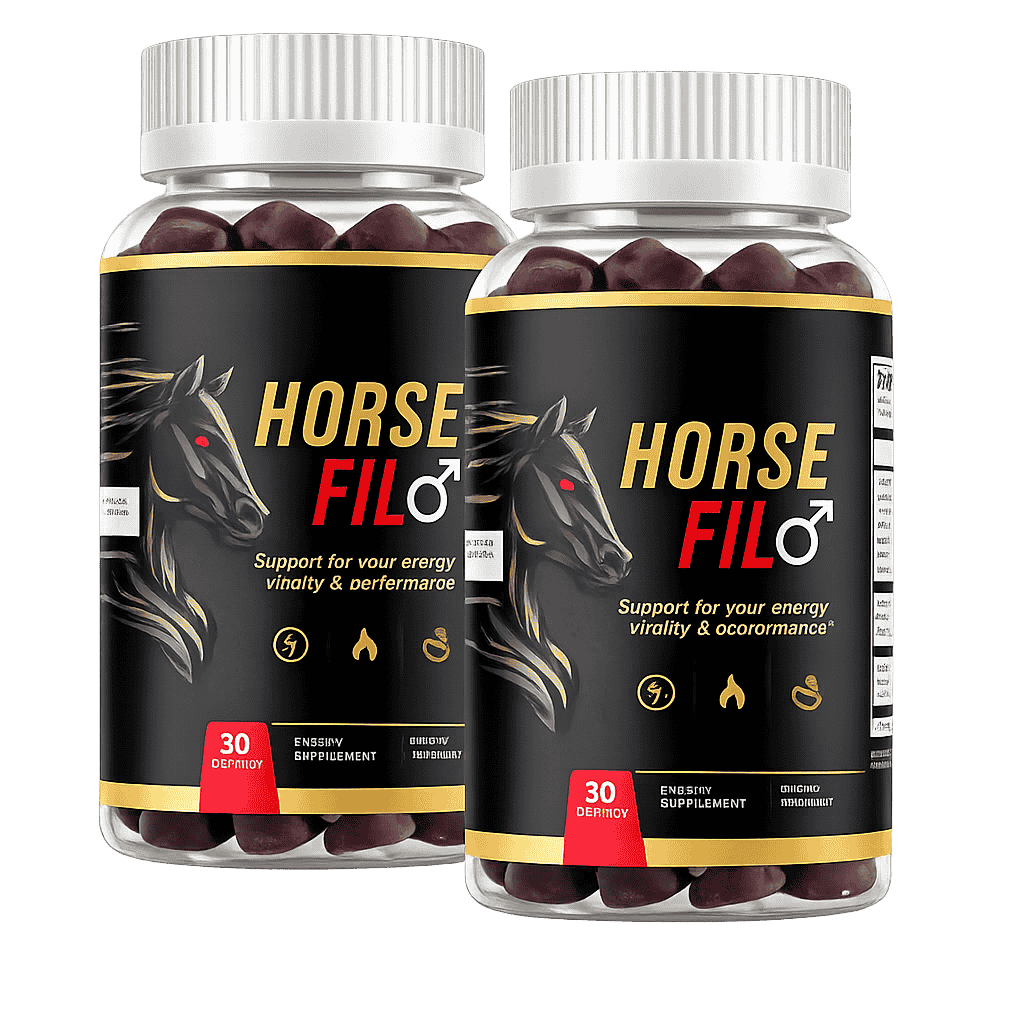
Eat Well — Then Support Your Nutrition with HorseFil®
Even a well-planned diet can leave gaps. HorseFil bridges them with Zinc, Ashwagandha, Maca Root, Tribulus, Fenugreek, L-Arginine, and Saw Palmetto — targeted botanical and mineral support for complete men's daily wellness.
Get HorseFil Today